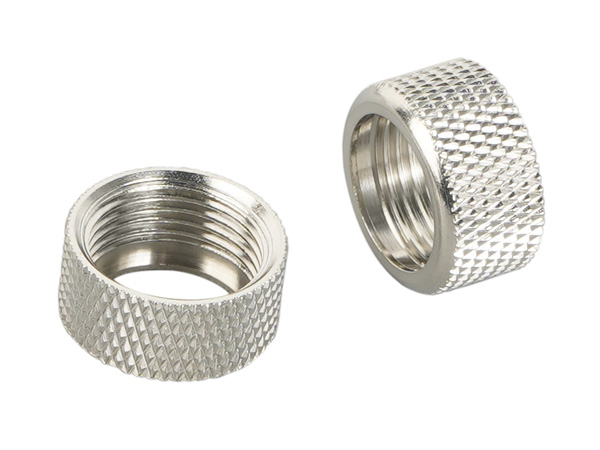
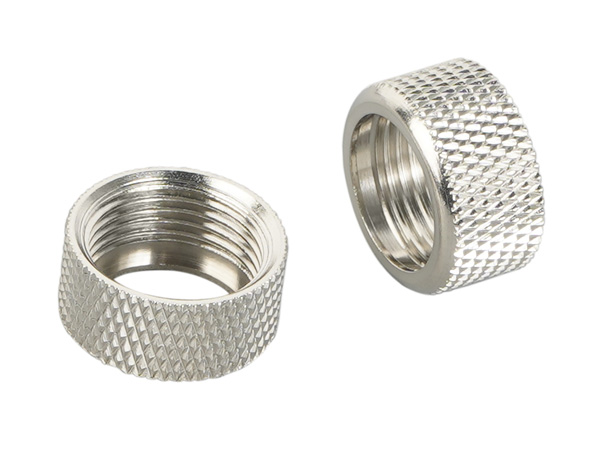
Optical module structural parts
Optical module structural parts
Connectors are indispensable components in electronic devices. Their core function is to connect different parts, systems or devices through physical or electrical means, achieving reliable transmission of signals, electricity or data. The following are the main functions of connectors and their specific application scenarios:
Signal and power transmission
Core function: Connectors transmit electrical signals (such as data, audio, video) or electricity between circuit boards, devices or systems through metal contacts or conductive materials.
Application scenarios
Inside a computer: Connections between the motherboard and the graphics card, memory, and hard disk.
Consumer electronics: Mobile phone charging ports, headphone jacks.
Industrial equipment: Power transmission for motors and controllers.
2. Modularization and maintainability
Quick disassembly and assembly: Connectors enable devices or modules to be quickly connected or disconnected without soldering or complex operations, facilitating maintenance, upgrades or replacements.
Application scenarios
Server: Quick plugging and unplugging of hard disk bays and motherboards.
Automobile: Replacement of ECU (Electronic Control Unit) modules.
Household appliances: Detachable power cord or battery interface.
3. Standardization and Compatibility
Unified interface: Through standardized design (such as USB, HDMI, RJ45), devices from different manufacturers can be interconnected.
Application scenarios
Universal interface: USB-C supports data, video and power transmission, and is compatible with multiple devices.
Industrial protocols: Industrial Ethernet connectors such as Profinet and EtherCAT ensure device compatibility.
4. Protection and isolation
Environmental protection: The sealed design (such as IP67 grade) can prevent dust, moisture or chemicals from entering, protecting the internal circuits.
Electrical isolation: Different circuits are isolated by insulating materials to prevent short circuits or interference.
Application scenarios
Outdoor equipment: The connectors of solar inverters need to be waterproof and dustproof.
Medical equipment: Isolation connectors ensure patient safety.
5. Signal integrity optimization
Anti-interference design: Technologies such as shielding layers and differential signal transmission reduce electromagnetic interference (EMI), ensuring the stability of high-speed signals (such as HDMI, USB 3.0).
Application scenarios
Data center: High-speed backplane connectors support data transmission of over 100Gbps.
Aerospace: Anti-radiation connectors ensure the reliability of signals in extreme environments.
6. Space and weight optimization
Miniaturized design: High-density connectors (such as FPC/FFC) reduce space occupation and are suitable for thin and light devices.
Lightweight materials: Use plastic or aluminum alloy instead of traditional metals to reduce the weight of the equipment.
Application scenarios
Smart phone: Micro SIM card connector.
Unmanned aerial vehicle: Lightweight power connector.
7. Thermal management
Heat dissipation design: Some connectors integrate heat sinks or heat-conducting materials to help the device dissipate heat.
Application scenarios
High-power equipment: The power module connector needs to handle the heat generated by large currents.
LED lighting: The connector between the driver power supply and the light board needs to have a heat dissipation function.
The role of connectors has expanded from simple physical connections to support multi-dimensional functions such as high-speed data transmission, modular design, environmental adaptability, and system security. With the development of 5G, the Internet of Things and new energy vehicles, connectors are evolving towards higher density, higher speed and greater reliability, becoming the "nerve hub" in electronic systems.
Ding Dong:+86 136-2094-9831

Douyin
Copyright © 2025 Dongguan Laoyou Hardware Products Co., Ltd. All rights reserved
The webpage materials and related resources of this site are all from the Internet. If there is any infringement, please inform us immediately and we will delete it within 24 hours.